
Engaging with Impact: How to inspire people to be part of the solution
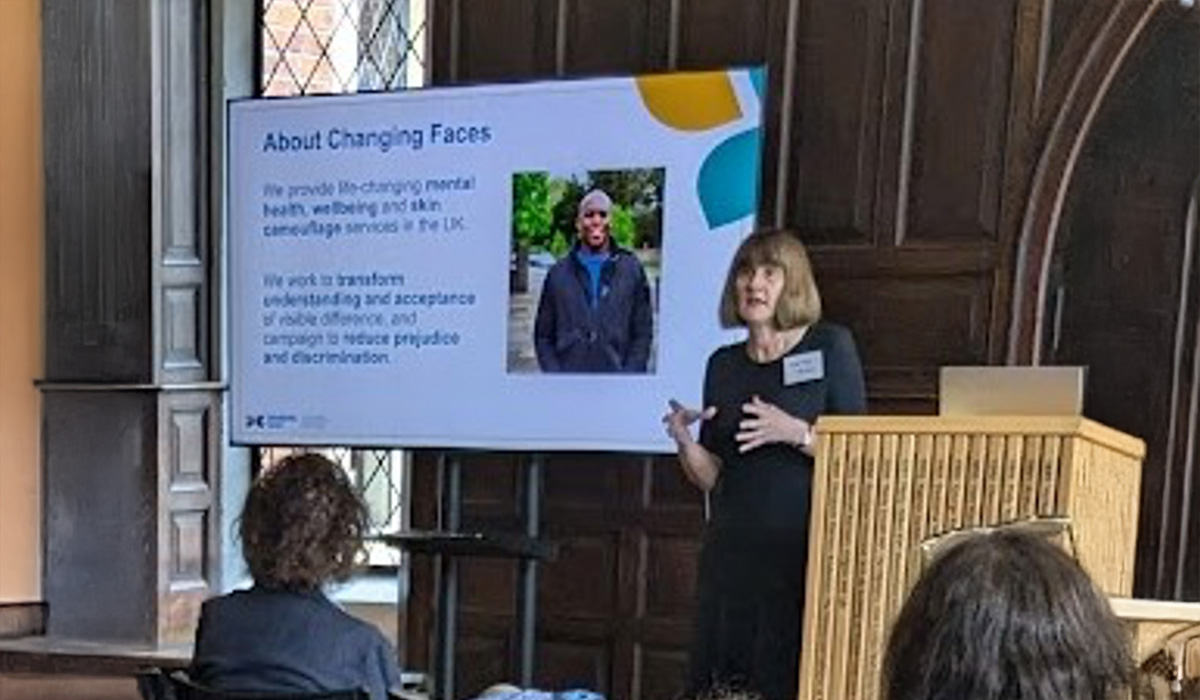
At the July 2024 VTCT Foundation Showcase, we interviewed Heather Blake and Andrew Smart (Changing Faces) and Hannah Saunders (QMU/Face Equality International) about how Appearance Collective members can make a difference to public awareness and acceptance of visible differences.

Heather Blake, CEO, Changing Faces
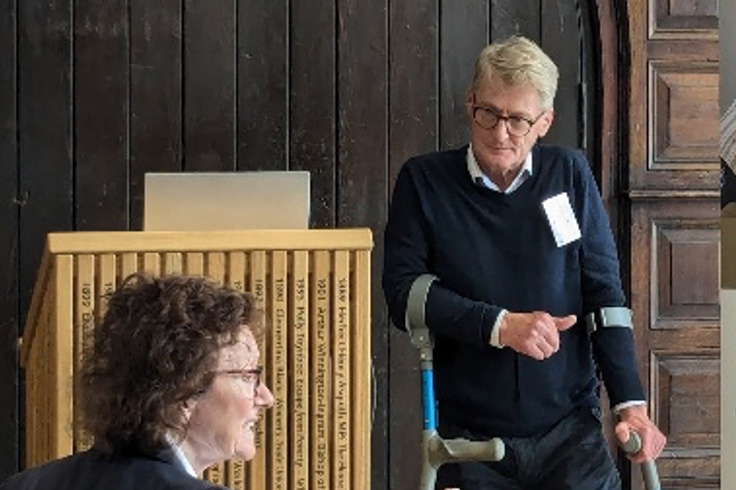
Andrew Smart, Director of Communications, Changing Faces

Dr Hannah Saunders, Research Fellow, Queen Mary’s University, London and FEI
Personal experience is a common thread that motivates many charity supporters across the Visible Difference sector. And members of the Appearance Collective are connected by their determination to support those with a visible difference whilst challenging people’s perceptions to create a more inclusive world.
But, with no quick fix to changing attitudes, how can organisations highlight the unconscious behaviours that stigmatise a portion of society? And what’s the best way to inspire people, who might not previously have given visible difference much thought, to be part of the solution?
As Heather Blake, Chief Executive of Changing Faces, told attendees at summer 2024’s London Showcase, “whilst the everyday experiences of those with a visible difference, such as isolation, anxiety and responding to hostile behaviour, are not naturally getting any better, there’s lots of catching up to do to get societal prejudices into public consciousness.”
With their VTCT Foundation funding, Changing Faces were able to take a more long-term approach to planning and determine where their efforts could make the biggest impact without over-stretching their resources. A key part of this year-long process involved determining which audiences might be open to influence, and then seeking out the right partners and fellow changemakers to amplify messages together in an intentional way.
Explaining their findings, the charity’s Head of Communications, Andrew Smart, said: “when it comes to challenging people’s perceptions and inspiring people to change, your options are to tell someone off for bad behaviour or encourage tolerance so that people accept others for who they are. As we weren’t in a position for our campaigns to reach everyone, it made sense to adopt a values-based approach and start a more positive, constructive and informed conversation with people who shared our world view of a more inclusive society”.
In a world of competing messages, they connected with opinion formers and decision-makers who set the national tone – from publishers to broadcasters – to challenge stereotypes and normalise people with a visible difference featuring in normal roles.
The charity also sought to reframe attitudes and promote empathy by talking directly with the public. By putting lived experiences and compelling stories at the heart of their campaigns, they hoped the use of authentic voices would help people look beyond first impressions and better understand the discrimination faced by anyone who looks different.
At the other end of society, there’s still much to be done to break down barriers in the workplace and change public perception at an organisational level.
As a Research Fellow at Queen Mary University of London, Dr Hannah Saunders’ work examining the law around disfigurement and appearance inspired a new series of interactive training sessions. Working in conjunction with Face Equality International, these workshops are designed to shift perspectives and make businesses more inclusive. One of the core aims of the EDI Training Programme is to help organisations understand what they can proactively do to inspire a culture shift so all employees understand how they can be a positive force for change.
The two-pronged approach starts by empowering HR teams to introduce policies and procedures that reflect best practice from recruitment onwards, to ensure employees with a visible difference feel supported. This is complemented by staff “lunch and learn” training sessions that shed light on the issues faced by colleagues with facial differences and encourage personnel across the company to consider their own behaviour. The two strategies are then backed by 6-monthly benchmarking to gauge the overall impact.
Whilst appearance discrimination continues to permeate every level of society, what’s clear is how it remains as critical as ever to find new ways to challenge assumptions, transform understanding and build inclusive environments where visible differences are accepted.
Any organisations interested in training programmes to help them create appearance-inclusive workplaces are encouraged to contact Face Equality International.